
 Home
Home
 About
About 
 Blog
Blog
 Autism strengths
 AuDHD
AuDHD
 Autism tests
 Autism assessments
 Store
Store
 Contact


Have you wondered what the three levels of autism (ASD in the DSM-5) actually entail? Here is a brief explanation of each level.
Levels
The DSM-5 presents three categories of autism based on the extent of required support—referred to as levels.
Because we are talking about levels, what comes to mind are computer games. So here I like to offer explanations of each level using computer games as a metaphor.
Level 1
Requiring support
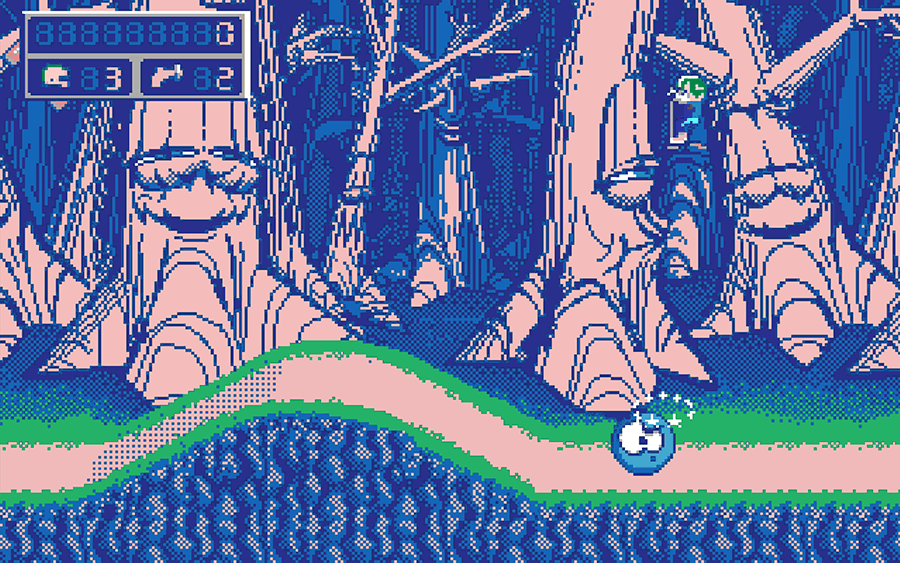
Level difficulty: easy-peasy
Autistic people with level 1 support needs (previously called Asperger’s syndrome) broadly speaking have the most autonomy and control in their lives, but that is not to say that we don’t face significant challenges. While level 1 autistics can live functional lives, it often requires a lot of effort, considerable cognitive drain (what some call “spoons”), and many of us use a lot of camouflaging/masking strategies to get by, which tends to be unsustainable long-term and can lead to autistic burnout.
It should also be noted that level 1 support needs is a clinical designation which characterizes the overall support needs and level of functioning, but there are likely areas in our lives where we still require considerable support and guidance; and speaking from experience as a level 1 autistic person, we can face particularly difficult periods in our lives where we can veer into level 2 support needs. While I’ve lived on my own for 11 years, near the end of that period I was seriously considering assisted living, I was struggling to maintain a functional life on my own.
- Doesn’t always fully grasp the game — Challenges with social communication.
- Difficulty approaching enemies — Difficulty initiating social interactions (e.g., How do I start a conversation? How do I maintain the flow?).
- Disinterest in playing the game — May appear to have decreased interest in social interactions (although we can be very social with people we trust).
- An okay player — Speaks coherently but may nevertheless fail in communication.
- Only plays single-player — Attempts to make friends are odd and typically unsuccessful.
- Only runs in one direction — Rituals and repetitive behaviors cause significant interference with functioning in one or more contexts.
- Eager to finish the level — Resists attempts by others to interrupt repetitive behaviors or to be redirected from fixated interests.
Note also: While ASD level 2 diagnoses are becoming a bit more common, I believe there is still a tendency for clinicians to diagnose autistic people with either level 1 or level 3. There is some subjectivity involved in which level your assessor will attribute to you, both based on their own reasoning and based on the information in terms of challenges and support needs conveyed to them during the assessment process.
Level 2
Requiring substantial support
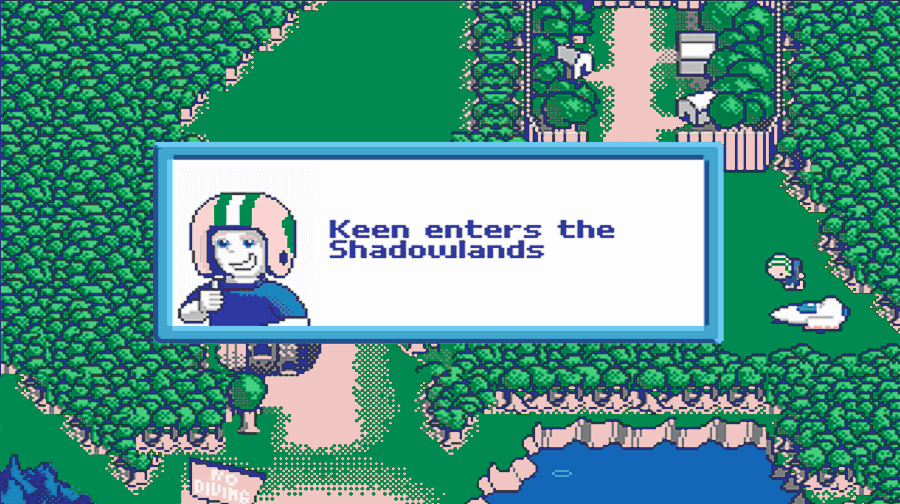
Level difficulty: medium
- Not sure how to play the game — Difficulties with verbal and nonverbal social communication.
- Can’t play without walk-throughs — Obvious social impairments even with support.
- Limited gameplay — Limited initiation of social interactions.
- Doesn’t play the game correctly — Reduced or abnormal responses to social overtures from others.
- Plays a different game — Speaks with simple sentences, and has markedly odd nonverbal communication.
- Plays only one game — Interaction is limited to narrow special interests.
- Strange strategies — Repetitive behaviors, preoccupations or passionate interests appear often enough to be apparent to the casual observer, and that interfere with functioning in many contexts.
- Frustrated about gameplay — Distress or frustration is apparent when repetitive behaviors are interrupted.
- Plays by their own rules — Difficult to redirect from fixated interests.
Level 3
Requiring very substantial support
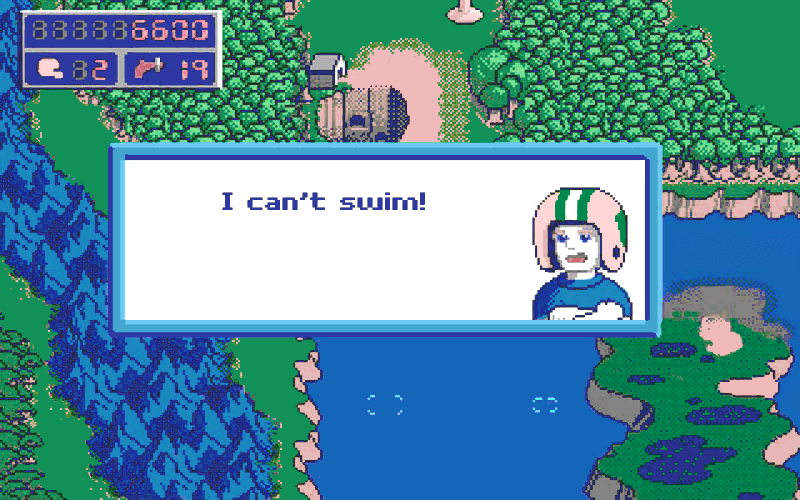
Level difficulty: hard
- Difficulty playing level — Severe deficits in nonverbal and verbal communication skills cause severe impairments in functioning.
- Doesn’t want to play — Very limited social interaction inititiation and minimal response to social overtures from others.
- Plays slowly — Uses few words of intelligible speech.
- Rarely fights enemies — Rarely initiates interaction and, when they do, make unusual approaches to meet their needs only, and responds to only direct social approaches.
- Plays their own game —Preoccupations, passions, repetitive behaviors and/or fixated rituals markedly interfere with functioning in all contexts.
- Can’t handle interruptions — Marked distress when rituals or routines are interrupted.
- In their own world — Returns to their fixated interest quickly and very difficult to redirect.
Levels of support
So you see, the three levels correspond to what the research literature used to refer to as high-functioning, medium-functioning, and low-functioning autism respectively.
It should be noted, however, that particularly when associations with video games come up, these “levels” may be interpreted as different levels of difficulty with living life, and consequent levels of required support. But even those diagnosed as ASD level 1 (formerly Asperger syndrome, high-functioning autism, and PDD-NOS) may require substantial support at times in their lives. I know I have.
Moreover, the three levels probably have little bearing on the quality of life of autistic people. For example, someone who requires substantial support could very well live a happier life if their needs are met, whereas a so-called “high-functioning” autistic may be thrown in the deep end; functioning enough to possibly even escape diagnosis, but not well enough equipped to deal with life, and lacking societal support.
Hard-knock life
It seems regardless of whether we speak of different levels of required support or different levels of functioning, it is impossible to fit everyone into any discrete categories. Autism is a lot more complex and diverse than that, and so any model—especially ones with only three categories—are inherently reductionistic.
Based on the descriptions listed above, I am basically level 1, although at times in terms of support required I would veer into level 2. Even though I function reasonably well, and have quite a diverse skillset, I still require help at times with filling in forms, making appointments, dealing with government agencies, cooking, and so forth. My quality of life has dramatically increased since I moved in with Natalie, but societal and internal pressures can weigh heavily on even the autistic “noobs” who cannot get past level 1.




Comments
Let us know what you think!